Assessing Humoral Immune Response After Two Doses Of An Inactivated SARS-CoV-2 Vaccine (CoronaVac) in Healthcare Workers
Mar 08, 2023
Abstract
Objectives: During the COVID-19 pandemic, the absence of immunity in the population left them susceptible to infection with SARS-CoV-2; with healthcare workers (HCWs) being in the highest-risk group. This study intends to assess and follow up on the humoral immunity in HCWs vaccinated with an inactive virus vaccine (CoronaVac).
Study design: This is a prospective observational study. Methods: A total of 1072 HCWs were investigated for the presence of immunoglobulin G antibodies to the receptor-binding domain of the S1 subunit of the spike protein of SARS-CoV-2 after vaccination. Blood samples were obtained after 28 days of the first dose, 21 days of the second dose, and 3 months after the second dose. Detection of anti-spike antibodies was performed by the chemiluminescent microparticle immunoassay method (SARS-CoV-2 IgG II Quant, Abbott, Ireland). The results greater than or equal to the cutoff value of 50.0 AU/mL were reported as positive.
Results: Four weeks after the first dose of the vaccine, anti-spike antibodies were detected in 834/1072 (77.8%) of HCWs. Seropositivity was higher among females (84.6%) than males (70.6% p < 0.001) and was found to be highest in both women and men between the ages of 18e34 years. Antispike antibodies were detected in 1008 of 1012 (99.6%) after 21 days of the second dose and in 803 of 836 (96.1%) after 3 months of the second dose. Conclusions: CoronaVac was found to be highly immunogenic after two consecutive doses performed 28 days apart to HCWs; however, the immunogenicity declined significantly (p < 0.001) after 3 months following the second dose of vaccine.
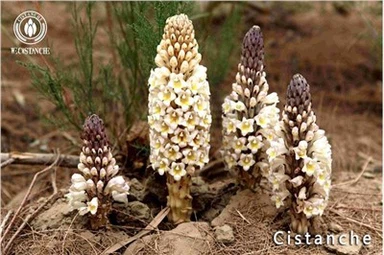
In addition, during the epidemic, many scientists advocated that everyone strengthen their immunity to fight against the new coronavirus, including advocating the intake of some immunity-enhancing foods or dietary supplements, such as Cistanche, because the polysaccharides in Cistanche, echinacea Glycosides, and verbascoside are the most effective ingredients for relieving physical fatigue and improving immunity. Cistanche polysaccharide is the material basis of Cistanche's immune regulation function, which can promote the proliferation of lymphocytes, improve the immune function of the body, activate immune cells and enhance T cell immunity, and can significantly improve the phagocytosis and secretion function of macrophages, thereby activating macrophages, play a role in regulating immune activity.

Click to know cistanche libido
Introduction
Since the COVID-19 outbreak began, researchers around the world have been trying to develop vaccines against ‘Severe Acute Respiratory Syndrome Coronavirus 2’ (SARS-CoV-2), with more than 200 vaccines currently in preclinical or clinical development.1 Efforts toward the development of a vaccine have led to several candidate vaccines, including inactivated vaccines, live virus vaccines, recombinant protein vaccines, vectored vaccines, and DNA or RNA vaccines.2e5
CoronaVac is a chemically inactivated whole virus vaccine for COVID-19 developed by Chinese biopharmaceutical company Sinovac Biotech (Beijing, China) and is created from African green monkey kidney cells (Vero cells) that have been inoculated with SARS-CoV-2 CN02 strain. It has shown good immunogenicity in mice, rats, and non-human primates with vaccine-induced neutralizing antibodies, which could neutralize 10 representative strains of SARS-CoV-2.6
CoronaVac was well tolerated and induced humoral responses against SARS-CoV-2, which supported the approval of emergency use of CoronaVac in China in July 2020.7 It is being used in vaccination campaigns by certain countries in Asia, South, and North America, and Europe also. As of March 2021, 70 million doses of CoronaVac had been administered worldwide. CoronaVac elicited anti-receptor-binding domain (RBD) antibodies and neutralizing antibodies in 97.4% of individuals receiving the vaccine at 0 and 28 days.8
Within the scope of combating the COVID-19 pandemic, the Turkish Ministry of Health had given emergency use approval for the use of CoronaVac, and vaccination in Turkey started with priority groups, and primary healthcare workers (HCWs) on January 14, 2021. On June 1, 2021, WHO validated CoronaVac for emergency use, giving countries, funders, procuring agencies, and communities the assurance that it meets international standards for safety, efficacy, and manufacturing.
Vaccination has been shown to provide potent protection from COVID-19; however, some concerns waning immunity and viral variation may lead to a loss of protection over time.9 Elucidation of the kinetics and duration of the humoral response induced by active immunization is important for interpreting results from serological surveys and for the management of COVID-19. To determine the humoral immune response induced by CoronaVac against SARS-CoV-2 after two consecutive doses and to guess the need for the administration of a third or booster dose, we planned to detect anti-spike antibodies in HCWs after the first and second doses, as well as after 3 months following the second dose of vaccine.

Methods
Study setting
HCWs of both genders, aged 18 years, who agreed to participate in this prospective study and those who underwent two-dose (28-day interval) SARS-CoV-2 vaccination with CoronaVac between January 14, 2021, and February 21, 2021, were included. The study, approved by the Ministry of Health Scientific Research Platform, was run at the microbiology laboratory of Sanko Hospital, which is a tertiary-care teaching university hospital located in Gaziantep, Turkey. Ethics approval was obtained from Institutional Clinical Research Ethics Committee (Approval number: 2021/02/01). All participants signed the voluntary informed consent form ensuring they undergo screening evaluation and completed a questionnaire consisting of 17 questions designed to obtain information about demographic and clinical data including former exposure to COVID-19. HCWs who refused vaccination or were not able to finish sample collection were excluded.
Vaccination protocol
The vaccine used in this study was manufactured by Sinovac Biotech (Beijing, China) from inactivated CN02 strain of SARS-CoV2 created from Vero cells and contained 3 mg/0.5 mL (equivalent to 600 SU per dose) and aluminum hydroxide as adjuvant. Vaccination of HCWs was performed in the hospital with the schedule of two consecutive doses of 600 SU (0.5 mL) administered 28 days apart to the deltoid.

Sample collection
Sequential blood samples were collected from HCWs to determine the levels of anti-spike IgG antibodies: first, 28 days after the initial dose (between February 11 and 17, 2021); second, after 21 days following the second dose (between March 4 and 10, 2021); and finally, 3 months after the second dose of vaccination (between May 17 and 23, 2021). Participants underwent blood sampling with standard venipuncture at the hospital. Transfer of the samples and serum separation was done at the laboratory within 2 h of collection.
Analysis of samples and interpretation of results
Immunoglobulin G (IgG) antibodies to the RBD of the S1 subunit of the spike protein of SARS-CoV-2 were quantitatively determined from the serum samples. The analysis was performed by the chemiluminescent microparticle immunoassay method using the SARS-CoV-2 IgG II Quant kit (Abbott, Ireland) according to the manufacturer's instructions. Detection was carried on with Architect i2000SR instrument (Abbott, IL). Test results greater than or equal to the cutoff value stated in the assay's package insert (50.0 AU/ mL) were reported as reactive and interpreted as positive for SARSCoV-2 anti-spike IgG antibodies. The results below the cutoff value are reported as non-reactive and interpreted as negative.
Statistical analysis
As descriptive statistics, median and minimum to maximum values for continuous variables and frequency and percentage values for qualitative variables were given. In group comparisons, the chi-square test was used. When expected values were less than five Fisher's exact test was used. In all evaluations, p < 0.05 was considered statistically significant.

Results
Of 1290 HCWs occupied at the research hospital, 1079 were vaccinated with CoronaVac, and 211 refused any vaccination throughout the study period. All vaccinated HCWs were approached for the present study; seven of them did not want to participate in the study, and 1072 volunteers gave written informed consent and completed the two-dose vaccination program. HCWs who refused or were unable to give blood samples after the second dose and/or after 3 months of the second dose were excluded from the study.
The median age of the participants was 33.2 years (95% confidence interval [CI], 0.67: 32.6e33.9 years). The cohort had a slightly greater representation of female individuals, with 51.5% female and 48.5% male. The age distribution of this cohort was as follows: 18e34 years old, 642 (59.9%); 35e59 years old, 406 (37.8%); and 60 years and older, 24 (2.2%; Table 1).

HCWs consisted of academicians who were not actively dealing with patients (4.7%); doctors actively examining patients (7%); 4th, 5th, and 6th-grade medical faculty students doing internships in several wards at the hospital (14.1%); other health care assistants, such as nurses, dieticians, physiotherapists, pharmacists, emergency medical technicians, radiology technicians, anesthesia technicians, and laboratory technicians (29.8%); and assistant staff, such as caregivers, patient counselors, security, transportation, cleaning staff (33.1%), and administrative staff (11.3%) working at Sanko University hospital. Occupational roles and the COVID-19 history of HCWs including those working in units serving COVID-19 patients in the last 12 months are provided in Table 2.

After 28 days of the first dose of CoronaVac, anti-spike IgG antibodies were detectable in 834 of 1072 (77.8%; 95% CI, 0.025: 75.44%e80.4%) HCWs. Seropositivity was higher among females (467/552; 84.6%) than males (367/520; 70.6% p < 0.001) and was found to be highest in both women and men between the ages of 18e34 years (88.9% and 79.5%, respectively). Among HCWs aged between 35 and 59 years, anti-spike IgG antibodies in females and males were 75.3% and 64.2%, respectively, and among those 60 years, 37.5% in both genders. There was a statistically significant difference between all age groups in terms of antibody positivity (p < 0.05 for all). Assessment of SARS-CoV-2 anti-spike IgG in HCWs on day 28 after the first dose of CoronaVac is given in Supplementary Table 3

Of 1072 HCWs, 277 (25.8%) informed that they had previously tested PCR positive for SARS-CoV-2 on a combined nasal and oropharyngeal swab. Forty-nine (4.6%) of HCWs reported that they were not sure if they had COVID-19 before vaccination, although none had a prior PCR-confirmed diagnosis of COVID-19. The proportion of HCWs infected with SARS-CoV-2 by age group and gender and their anti-spike IgG results are given in Supplementary Table 3.
Of 1072 HCWs, 225 (21%) informed that they had at least one chronic disease; hypertension was the most commonly reported clinical complaint (59.6%). Only a minority of the participants (2.2%) reported receiving immunosuppressive therapy in the last 12 months. Clinical information on HCWs is given in Table 3.
Participants were required to record any adverse reactions within 28 days after the first dose, such as the injection site adverse events (e.g. pain, redness, and swelling), headache, or systemic adverse events (e.g. fatigue/weakness, fever/chills, muscle/joint pain, and vomiting/diarrhea). Adverse events to CoronaVac were observed in 385 (35.9%) of 1072 HCWs. Headache was the most common adverse effect reported by 280 (26.1%) participants. No vaccine-related serious adverse event was noted. Detailed information on adverse events is demonstrated in Table 4.

Although all HCWs completed their allocated two-dose vaccination schedule, serum samples were obtained from 1012 of 1072 participants after 21 days following the second dose, 521 (51.5%) were female, and 491 (48.5%) were male. Sixty HCWs refused or were unable to give a blood sample after the second dose of the vaccine. After the second dose, anti-spike IgG antibodies were detected in 1008 of 1012 (99.6%) HCWs. There were only four of 1012 (0.39%) who were seronegative after the second dose of vaccine; none had a PCR-confirmed diagnosis of COVID-19 before. Assessment of SARSCoV-2 anti-spike IgG in HCWs on day 21 after the second dose of CoronaVac is shown in Supplementary Table 6.
Three months after the second dose of the vaccine, 836 HCWs gave blood samples for antibody detection. Antispike IgG antibodies were detectable in 803 of 836 (96.1%). It was observed that the percentage of antibody positivity declined with time, and the percentage of negative HCWs (n ¼ 33) increased with age. The difference between positive antibody rates obtained 3 weeks and 3 months after the second dose (99.6% and 96.1%, respectively) was statistically significant (p < 0.001). Assessment of SARS-CoV-2 anti-spike IgG in HCWs 3 months after the second dose of CoronaVac is shown in Supplementary Table 7. A comparison of the quantitative values (AU/mL) of SARS-CoV-2 anti-spike IgG values depending on age and time is demonstrated in Fig. 1.

Discussion
Reports indicate that there are more than 200 SARS-CoV-2 vaccine candidates either in development, in initial preclinical stages, or have entered human clinical trials.1 Here, we demonstrate the results of a prospective longitudinal study of HCWs to assess the anti-spike IgG positivity after two consecutive doses of an inactivated virus vaccine, CoronaVac.
Generally, measurement of the seroprevalence of antibodies, especially neutralizing antibodies, against SARS-CoV-2 from population-based epidemiological surveys is informative for the assessment of the proportion of the population who have at some point been infected with the virus and provides insight into the design of vaccination programs.10,11
The reference standard method for the detection of neutralizing antibodies, which may be used as a correlate of protective immunity, remains plaque reduction neutralization tests. However, these tests are not routinely performed in clinical laboratories, as they require biosafety level 3 containment facilities, are laborious and are not amenable to automation.12 The presence of neutralizing antibodies has been correlated to antibody reactivity to viral structural proteins, such as RBD, S, and N using in vitro immunoassays.13,14 Although data are still limited, there is mounting evidence that antibodies detected by commercial serologic assays correlate with in vitro neutralizing capacity.15 The sensitivity and specificity of immunoassays were reported to be excellent for the detection of the anti-spike humoral response to SARS-CoV-2 infection with a sensitivity between 84% and 87.1%, specificity between 98.9% and 100% and were analogous to the anti spike antibody assays used during immunogenicity assessments in vaccine clinical trials.16,17
Antibodies to spike RBD can inhibit the binding of SARS-CoV-2 to the angiotensin-converting enzyme 2 receptors, generating a strong viral neutralizing response. A wide range of COVID-19 vaccines in development use strategies that generate antibody responses to the spike protein and the RBD domain of the S1 subunit.18e21 Chemiluminescent anti-SARS-CoV-2 serologic assays, as used in this study, have been reported to exhibit high sensitivity (97.8%), as summarized in a systematic review and meta-analysis.22
In this study, we used the Abbott SARS-CoV-2 IgG II Quant kit, which is designed to detect IgG antibodies, including neutralizing antibodies, to the RBD of the S1 subunit of the spike protein of SARS-CoV-2 in serum and plasma. Serum samples obtained from HCWs after the first and second doses of vaccination with CoronaVac showed 77.8% and 99.6% seroconversion, respectively. If we extract HCWs who have had a PCR-confirmed COVID-19 (n ¼ 277) or who were not sure to be infected with COVID-19 (n ¼ 49) before participating in the study, seropositivity after the first dose remains 70.5% (526/746). The antibody positivity rate was 71.4% (37/49) in HCWs who were not sure whether they had COVID-19 or not.
In messenger RNA (mRNA) vaccine trial studies, anti-spike seroconversion was observed at 100% by day 15 following vaccination with mRNA-1273 and by day 21 following vaccination with BNT162b2.23,24 According to our results, CoronaVac reached the seroconversion rate of mRNA vaccines after the second dose (i.e. 99.6%), and we found that two doses of this vaccine were highly immunogenic in healthy adults aged 18e59 years.
People aged >60 years have an increased risk of severe illness and death from COVID-19, especially those with underlying chronic conditions. The response to vaccines is usually reduced in older adults due to immune senescence. Zhiwei et al.25 reported in their phase 1/2 clinical trial that CoronaVac was well tolerated and immunogenic in healthy adults aged 60 years, and neutralizing antibody responses to live SARS-CoV-2 was not reduced in that population. Our findings showed that anti-spike antibody response in HCWs aged 60 years (n ¼ 24) after the first dose was relatively low (37.5%); however, immunogenicity reached a level close to that in the 18e59 years age group after the second dose (95.6%).
Our study has some limitations; we did not check the seroprevalence of SARS-CoV-2 anti-spike antibodies in HCWs before vaccination; therefore, we could not give data for seroconversion. We mostly reported immune responses for healthy adults aged between 18 and 59 years of age and included only a small number of individuals from more susceptible groups in our study population (e.g. individuals aged 60 years or with impaired immunity). Another limitation of this study is although understanding the duration of the humoral response is essential for determining immunogenicity obtained with vaccination, antibody testing is not currently recommended to assess immunity after vaccination against SARS-CoV-2.
The incidence of adverse reactions was not rare (35.9%), the most common symptom being headache (26.1%). This result was not to previous findings from another study performed with CoronaVac where the most common symptom was injection site pain.7 Compared with other COVID-19 vaccine candidates, such as viral-vectored vaccines or DNA/RNA vaccines, the occurrence of fever (3.2%) with CoronaVac was relatively low.5,20,22
Previous studies suggested that antibodies against SARS-CoV-2 were maintained for at least 4 months.26,27 Khoury et al.9 found that the decay of neutralizing titer in vaccinated subjects over the first 3e4 months after vaccination was at least as rapid as the decay observed in convalescent subjects. However, the SIREN study supported the hypothesis that the newly licensed vaccines will provide a high degree of immunity of prevention from symptomatic infection with SARS-CoV-2 for working-age adults for an average of 7 months.28
In this study, we observed that thehumoralimmunityis sustained 96.1% after 3 months; however, the levels of antibody titers obtained in this study should not be used as a correlate of protection because the protective level of antibody titer was not established to date.
In conclusion, in this study of the immunogenicity of an inactivated SARS-CoV-2 vaccine, we found that two consecutive doses of CoronaVac were well tolerated with minor adverse reactions and were highly immunogenic in HCWs. As expected, the amount of anti-spike antibodies decreased after 3 months following the second dose of vaccine, and the difference was statistically significant (p < 0.001). The antibody level itself might not be the key to an intact immune response; however, it is highly predictive of immune protection and will assist in developing new vaccination strategies to control the pandemic. The durability of humoral responses against SARS-CoV-2 on vaccination needs to be further clarified with a longer follow-up time.
Author statements
Acknowledgments
The authors would like to thank the laboratory staff at Sanko Hospital for completing the antibody testing.
Ethical approval
Ethics approval was obtained from Institutional Clinical Research Ethics Committee (Approval number: 2021/02/01).
Funding
This work was funded by the Scientific Research Projects Unit of Sanko University (TF.AP.2021/02).
Competing interests
The authors declare that they have no conflicts of interest.

References
1. World Health Organization. The draft landscape of COVID-19 candidate vaccines.
2. Krammer F. SARS-CoV-2 vaccines in development. Nature 2020;586(7380): 516e27.
3. Callaway E. The race for coronavirus vaccines: a graphical guide. Nature 2020;580:576e7.
4. Corey L, Mascola JR, Fauci AS, Collins FS. A strategic approach to COVID-19 vaccine R&D. Science 2020;368:948e50.
5. Zhu F-C, Li Y-H, Guan X-H, et al. Safety, tolerability, and immunogenicity of a recombinant adenovirus type-5 vectored COVID-19 vaccine: a dose-escalation, open-label, non-randomized, first-in-human trial. Lancet 2020;395:1845e54.
6. Gao Q, Bao L, Mao H, Wang L, Qin C. Development of an inactivated vaccine candidate for SARS-CoV-2. Science 2020;369:77e81.
7. Zhang Y, Zeng G, Pan H, Li C, Hu Y, Chu K, et al. Safety, tolerability, and immunogenicity of an inactivated SARS-CoV-2 vaccine in healthy adults aged 18-59 years: a randomized, double-blind, placebo-controlled, phase 1/2 clinical trial. Lancet Infect Dis 2021;21:181e92.
8. Poland GA, Ovsyannikova IG, Kennedy RB. SARS-CoV-2 immunity: review and applications to phase 3. Lancet 2020;396:1595e606.
9. Khoury DS, Cromer D, Reynaldi A, Schlub TE, Wheatley AK, Juno JA, et al. Neutralizing antibody levels are highly predictive of immune protection from symptomatic SARS-CoV-2 infection. Nat Med 2021;27:1205e11.
10. Pollan M, P erez-G omez B, Pastor-Barriuso R, et al. Prevalence of SARS-CoV-2 in Spain (ENE-COVID): a nationwide, population-based seroepidemiological study. Lancet 2020;396:535e44.
11. Xu X, Sun J, Nie S, et al. Seroprevalence of immunoglobulin M and G antibodies against SARS-CoV-2 in China. Nat Med 2020;26:1193e5.
12. Theel ES, Slev P, Wheeler S, Couturier MR, Wong SJ, Kadkhoda K. The role of antibody testing for SARS-CoV-2: is there one? J Clin Microbiol 2020;58.
13. Grzelak L, Temmam S, Planchais C, et al. A comparison of four serological assays for detecting anti-SARS-CoV-2 antibodies in human serum samples from different populations. Sci Transl Med 2020;12(559).
14. Luchsinger LL, Ransegnola B, Jin D, et al. Serological assays estimate highly variable SARS-CoV-2 neutralizing antibody activity in recovered COVID-19 patients. J Clin Microbiol 2020;58(12):e02005e20.
15. Ng DL, Goldgof GM, Shy BR, Levine AG, Balcerek J, Bapat SP, et al. SARS-CoV-2 seroprevalence and neutralizing activity in donor and patient blood from the San Francisco Bay Area. medRxiv.
16. Patel EU, Bloch EM, Clarke W, et al. Comparative performance of five commercially available serologic assays to detect antibodies to SARS-CoV-2 and identify individuals with high neutralizing titers. J Clin Microbiol 2021;59(2). e02257-20.
17. Higgins V, Fabros A, Kulasingam V. Quantitative measurement of anti-SARSCoV-2 antibodies: analytical and clinical evaluation. J Clin Microbiol 2021;59(4). e03149-20.
18. Tan TK, Rijal P, Rahikainen R, et al. A COVID-19 vaccine candidate using SpyCatcher multimerization of the SARS-CoV-2 spike protein receptor-binding domain induces potent neutralizing antibody responses. Nat Commun 2021;12(542).
19. Keech C, Albert G, Cho I, et al. Phase 1-2 trial of a SARSCoV-2 recombinant spike protein nanoparticle vaccine. N Engl J Med 2020;383:2320e32.
20. Poh CM, Carissimo G, Wang B, et al. Two linear epitopes on the SARS-CoV-2 spike protein elicit neutralizing antibodies in COVID-19 patients. Nat Commun 2020;11(1):2806.
21. Folegatti PM, Ewer KJ, Aley PK, et al. Safety and immunogenicity of the ChAdOx1 nCoV-19 vaccine against SARS-CoV-2: a preliminary report of phase 1/ 2, single-blind, randomized controlled trial. Lancet 2020;396(10249):467e78.
22. Lisboa Bastos M, Tavaziva G, Abidi SK, Campbell JR, Haraoui L-P, Johnston JC, et al. Diagnostic accuracy of serological tests for Covid-19: systematic review and meta-analysis. BMJ 2020;370.
23. Jackson LA, Anderson EJ, Rouphael NG, et al. mRNA-1273 Study Group. An mRNA vaccine against SARS-CoV-2-preliminary report. N Engl J Med 2020;383(20):1920e31.
24. Walsh EE, Frenck Jr RW, Falsey AR, et al. Safety and immunogenicity of two RNA-based Covid-19 vaccine candidates. N Engl J Med 2020;383(25):2439e50.
25. Wu Z, Hu Y, Xu M, Chen Z, Yang W, Jiang Z, et al. Safety, tolerability, and immunogenicity of an inactivated SARS-CoV-2 vaccine (CoronaVac) in healthy adults aged 60 years and older: a randomized, double-blind, placebo-controlled, phase 1/2 clinical trial. Lancet Infect Dis 2021;21(6):803e12.
26. Gudbjartsson DF, Norddahl GL, Melsted P, et al. Humoral immune response to SARS-CoV-2 in Iceland. N Engl J Med 2020;383:1724e34.
27. Wajnberg A, Amanat F, Firpo A, et al. Robust neutralizing antibodies to SARSCoV-2 infection persist for months. Science 2020;370:1227e30.
28. Hall VJ, Foulkes S, Charlett A, Atti A, Monk EJ, Simmons R, et al. SARS-CoV-2 infection rates of antibody-positive compared with antibody-negative healthcare workers in England: a large, multicentre, prospective cohort study (SIREN). Lancet 2021;397(10283):1459e69.
For more information:1950477648nn@gmail.com